






Ústav energetiky spoluautorem odborného stanoviska k biocharu z čistírenských kalů
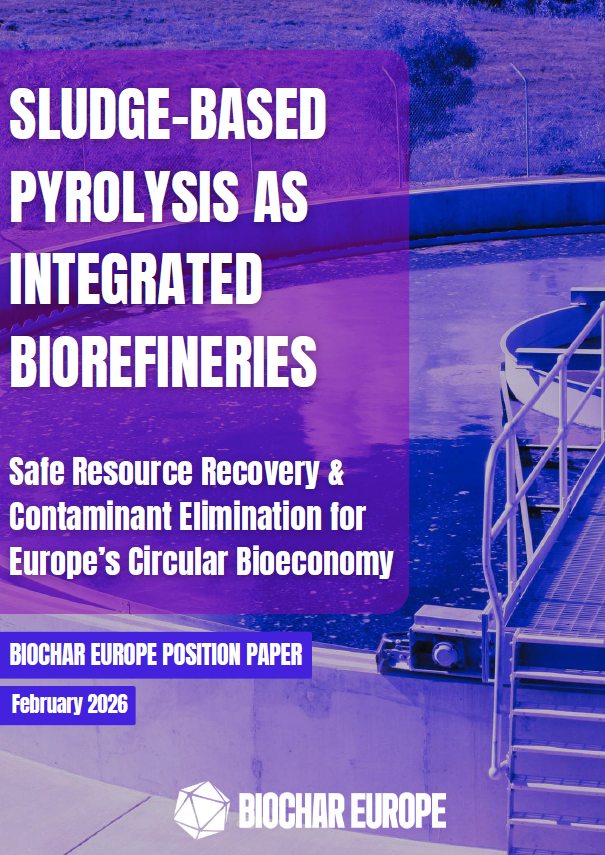
Ústav energetiky VŠCHT Praha potvrzuje svou pozici v mezinárodním výzkumu cirkulární bioekonomiky. Dr. Jaroslav Moško se jako spoluautor zásadně podílel na vypracování nového Odborného stanoviska (tzv. Position Paper) organizace Biochar Europe. Dokument, který vznikal dva roky od vydání předešlé verze, představuje klíčový vědecký podklad pro aktualizaci evropského nařízení o hnojivech (FPR 2019/1009) s cílem bezpečně integrovat biochar z čistírenského kalu do tržního prostředí.
Publikace předkládá robustní vědecké důkazy o tom, že řízená pyrolýza čistírenských kalů při teplotách nad 600 °C představuje bezpečný a vysoce efektivní způsob recyklace surovin. Naše expertíza v dokumentu dokládá spolehlivou eliminaci kritických kontaminantů, jako jsou látky PFAS, mikroplasty či rezidua léčiv, a transformaci kalů na sanitizovaný produkt bohatý na fosfor. Ústav energetiky tak přímo přispívá k transformaci čistíren odpadních vod na moderní centra regenerace zdrojů a trvalého ukládání uhlíku.
Celé znění dokumentu naleznete zde: BCE Position Paper 2026.
Department of Power Engineering Co-Authors Position Paper on Sewage Sludge Biochar
The Department of Power Engineering at UCT Prague reinforces its position in international circular bioeconomy research. Dr. Jaroslav Moško has significantly contributed as a co-author to the new Position Paper published by Biochar Europe. This document, developed over two years since the previous edition, serves as a crucial scientific foundation for the update of the EU Fertilising Products Regulation (FPR 2019/1009) with the goal of safely integrating biochar from sewage sludge into the market.
The publication presents robust scientific evidence that controlled pyrolysis of sewage sludge at temperatures exceeding 600 °C is a safe and highly efficient method for resource recycling. Our expertise documented in the paper demonstrates the reliable elimination of critical contaminants, such as PFAS, microplastics, and pharmaceutical residues, and the transformation of sludge into a sanitized, phosphorus-rich product. Through this work, the Department of Power Engineering directly contributes to the transition of wastewater treatment plants into modern hubs for resource recovery and carbon sequestration.
The full document is available here: BCE Position Paper 2026.