



Third edition of the European School on Nuclear Materials Science
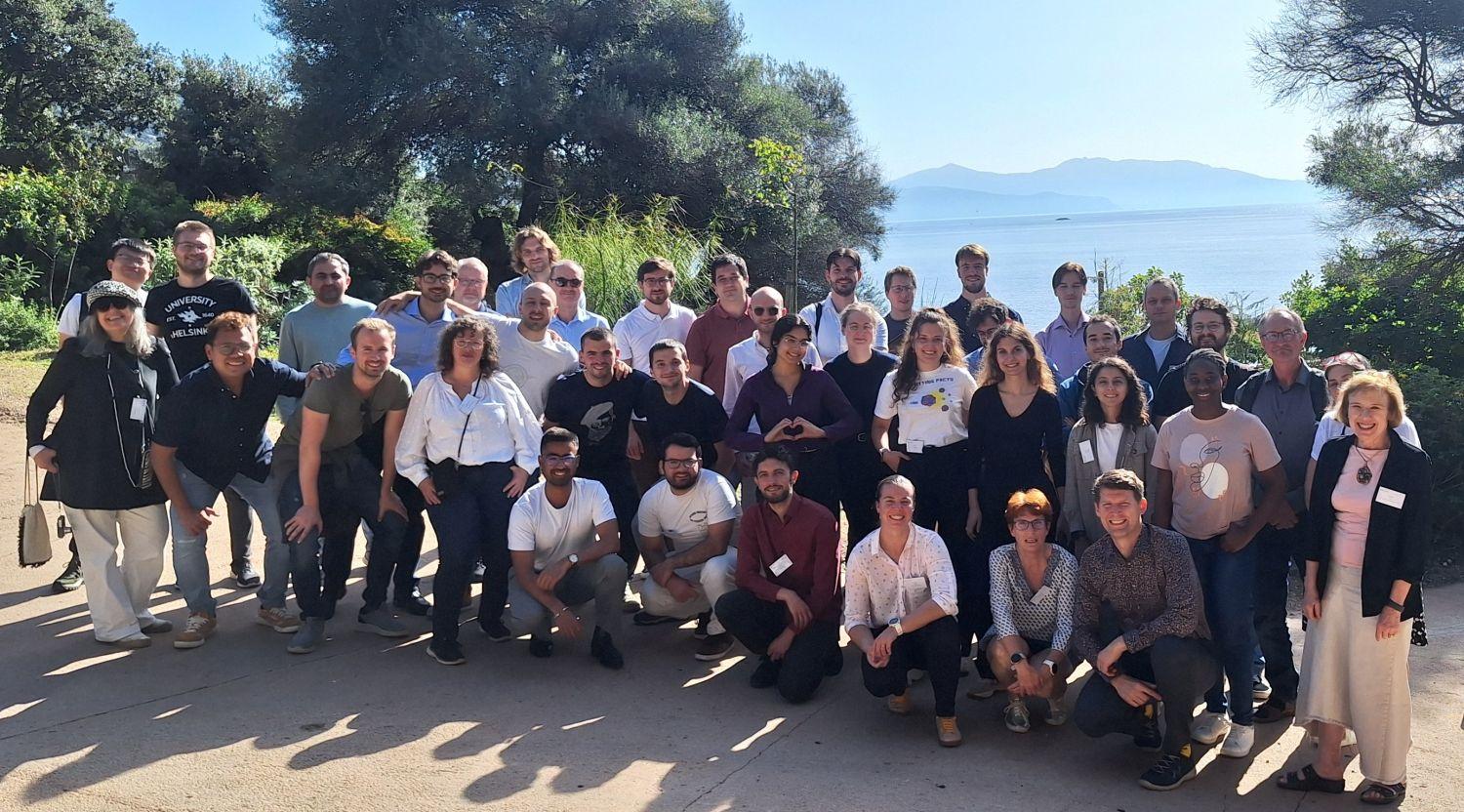
Evropská škola pro jaderné materiály byla zahájena pod záštitou Společného programu pro jaderné materiály v roce 2020. Třetí ročník školy (ESNMS 2024) se konal od 27. října do 2. listopadu 2024 na Institut d’Etudes Scientifiques (IESC) v Cargèse na Korsice ve Francii.
Škola představila nejmodernější vědecké směry v oblasti jaderných materiálů. Zahrnovala náročné víceúrovňové modelování a charakterizaci materiálových jevů v jaderných materiálech. Spojila přední světové a evropské vědce v tématech od pokročilé teorie elektronických struktur po modelování kontinua, stejně jako sofistikované experimentální charakterizační techniky, aby studentům poskytla nejlepší možnou sadu nástrojů pro jejich budoucí kariéru vědců v oblasti jaderných materiálů. Přednášky a případové studie byly zpracovány na všechny typy jaderných materiálů: konstrukční (kovové a keramické), funkční a palivové materiály.
Škola je spoluorganizována Energetickou divizí CEA a švédským KTH Royal Institute of Technology jako součást spolufinancovaného evropského partnerství pro jaderné materiály CONNECT-NM.
Ústav energetiky na této škole reprezentovala Ing. Tereza Válková, která v rámci přednášek s dalšími studenty obhájila případovou studii na téma „Zrychlená kvalifikace jaderných materiálů“.
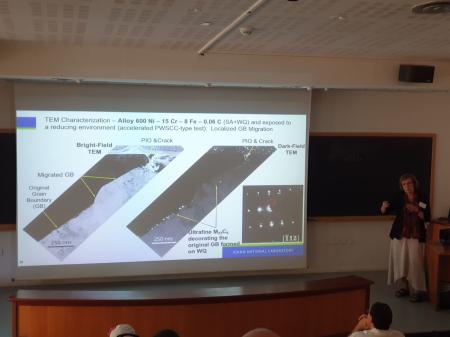
The European School on Nuclear Materials was established in 2020 as part of the Joint Programme on Nuclear Materials. The third edition of the school (ESNMS 2024) was held from October 27 to November 2, 2024, at the Institut d'Études Scientifiques (IESC) in Cargèse, Corsica, France.
It presented cutting-edge nuclear materials science. It discussed the difficult multiscale modelling and characterization of material events in nuclear materials research. It brought together world-renowned European scientists on topics ranging from advanced electronic structure theory to continuum modelling, as well as sophisticated experimental characterization techniques, to provide students with the best possible toolbox for their future careers as nuclear materials scientists. All nuclear materials were treated, including structural (metallic and ceramics), functional, and fuel materials.
The school is co-organized by the Energy Division of CEA and the Swedish KTH Royal Institute of Technology as part of the co-funded European partnership on Nuclear Materials CONNECT-NM.
Ing. Tereza Válková represented the Department of Power Engineering in this school, and as part of lectures with other students, she presented a case study on the theme "Accelerated Qualification of Nuclear Materials."