
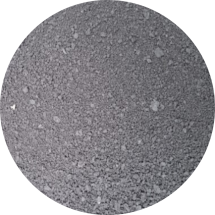
V současné době se čistírenské kaly (ČK) využívají v zemědělství přímou aplikací na půdu či ve formě kompostu, spalují se nebo se odstraňují uložením na skládce. V České republice výrazně převládá materiálové využití na zemědělské půdě či v kompostech. Oproti tomu v zemích západní Evropy (např. Německo, Rakousko, Švýcarsko, Nizozemsko, Belgie) je běžnější spalování nebo spolu-spalování. Tento přístup vychází z obav o kontaminaci životního prostředí škodlivinami obsaženými v ČK, jako jsou těžké kovy, mikroplasty, patogeny, organické polutanty (PAU, per- a polyfluorované látky (PFAS), zpomalovače hoření, léčiva, hormony nebo endokrinní disruptory atd). Tyto látky jsou při spalování odstraňovány a vzniklý popel v případě mono-spalování je bohatý na obsah fosforu, což je kritická surovina pro EU. Z tohoto důvodu již některé země jako Německo, Rakousko a Švýcarsko zavedly povinnost znovuzískávat (regenerovat) fosfor z popelů ze spalování ČK nebo přímo z ČK.
V rámci skupiny se tým pod vedením docenta Pohořelého věnuje problematice termochemického zpracování ČK, zejména pyrolýzou a spalováním ČK s následným využitím pevných produktů procesů. Výsledky výzkumu byly úspěšně využity ve spolupráci s firmou HST Hydrosystémy, s.r.o. k optimalizaci provozu komerční jednotky na pyrolýzu čistírenských kalů na čistírně odpadních vod (ČOV) v Trutnově – Bohuslavicích. Praktickými závěry bylo doporučení provádět pyrolýzu při teplotě alespoň 500 °C, při jmenovitém výkonu nad 600 °C, aby bylo dosaženo:
- převedení dostatečného množství energie kalu do primárního pyrolýzního plynu, který dále slouží k ohřevu samotné pyrolýzy a předsušení kalu,
- odstranění přítomných organických polutantů, patogenů a mikroplastů, a
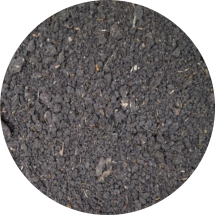
- vytvoření dostatečné porosity pyrolyzovaného kalu (sludge-char).
Tyto výsledky přispívají k úpravě evropské a české legislativy týkající se výroby a využití pyrolyzovaného kalu (sludge-char) v zemědělství. Například díky spolupráci byl v České republice sludge-char produkovaný v ČOV Trutnov vyjmut z katalogu odpadů a certifikován Ústředním kontrolním a zkušebním ústavem zemědělským jako pomocná půdní látka (Karbofert T1). Členové týmu rovněž působí jako vědečtí experti v jednáních skupiny pro pyrolyzované kaly v rámci European Biochar Industry Consortium (EBI), která má za úkol iniciování úpravy Nařízení Evropského parlamentu a Rady (EU) 2019/1009, kterým se stanoví pravidla pro dodávání hnojivých výrobků EU na trh stanovením podmínek provozu pyrolýzní jednotky a dodatečných limitů některých kontaminantů pro zařazení pyrolyzovaných čistírenských kalů do kategorie složkových materiálů KSM 14: Materiály z pyrolýzy a zplyňování .
V oblasti nakládání s čistírenskými kaly se skupina dále věnuje problematice:
- legislativě v oblasti nakládání s ČK na tuzemské i mezinárodní úrovni, např. v konkrétní spolupráci s vědeckými kolegy v Japonsku,
- odstraňování per- a polyfluorovaných látek (PFAS) a organického fluoru obsažených v ČK pyrolýzou v laboratorním i aplikačním měřítku na ČOV Bohuslavice – Trutnov ve spolupráci s MBÚ AV ČR.
 |
 |
 |
Související projekty:
Související publikace:
- Matsunaga, T., Homma, R., Oshita, K., Husek, M., Takeuchi, H., Nishimura, F., Takaoka, M. National survey of 30 per-and polyfluoroalkyl substances (PFAS) in dewatered sewage sludge. Journal of Japan Society of Civil Engineers 80, 25, (2024). https://doi.org/10.2208/jscejj.24-25006 (Scopus)
- Wickramasinghe, N., Vítková, M., Zarzsevszkij, S., Ouředníček, P., Šillerová, H., Ojo, O.E., Beesley, L., Grasserová, A., Cajthaml, T., Moško, J., Hušek, M., Pohořelý, M., Čechmánková, J., Vácha, R., Kulhánek, M., Máslová, A., Komárek, M. Can pyrolysis and composting of sewage sludge reduce the release of traditional and emerging pollutants in agricultural soils? Insights from field and laboratory investigations. Chemosphere 364, 143289, (2024). https://doi.org/10.1016/j.chemosphere.2024.143289. (WoS, JIF 8.1 /2023/, Q1/D1*)
- Řimnáčová, D., Bičáková, O., Moško, J., Straka, P., Čimová, N. The effect of carbonization temperature on textural properties of sewage sludge-derived biochars as potential adsorbents. Journal of Environmental Management 359, 120947, (2024). https://doi.org/10.1016/j.jenvman.2024.120947. (WoS, JIF 8.0 /2023/, Q1/D1*)
- Hušek, M., Semerád, J., Skoblia, S., Moško, J., Kukla, J., Beňo, Z., Jeremiáš, M., Cajthaml, T., Komárek, M., Pohořelý, M.. Removal of per- and polyfluoroalkyl substances and organic fluorine from sewage sludge and sea sand by pyrolysis. Biochar 6, 31, (2024). https://doi.org/10.1007/s42773-024-00322-5. (WoS, JIF 13.1 /2023/, Q1/D1*).
- Mitzia, A., Böserle Hudcová, B.B., Vítková, M., Kunteová, B., Hernandez, D.C., Moško, J., Pohořelý, M., Grasserová, A., Cajthaml, T., Komárek, M. Pyrolysed sewage sludge for metal(loid) removal and immobilisation in contrasting soils: Exploring variety of risk elements across contamination levels. Science of the Total Environment 918, 170572, (2024). https://doi.org/10.1016/j.scitotenv.2024.170572. (WoS, JIF 8.2 /2023/, Q1/D1*).
- Sikarwar, V.S., Mašláni, A., Van Oost, G., Fathi, J., Hlína, M., Mates, T., Pohořelý, M., Jeremiáš, M. Integration of thermal plasma with CCUS to valorize sewage sludge, Energy 288, 129896, (2024). https://doi.org/10.1016/j.energy.2023.129896. (WoS, JIF 9.0 /2023/, Q1/D1*).
- Hušek, M., Homma, R., Moško, J., Pohořelý, M., Oshita, K. P-recovery versus current sewage sludge treatment policy in the Czech Republic and Japan. Clean Technologies and Environmental Policy, 26, 1883–1899 (2024). https://doi.org/10.1007/s10098-023-02679-w. (WoS, JIF 4.2 /2023/, Q2).
- Hušek, M., Moško, J., Pohořelý, M. Sewage sludge treatment methods and P-recovery possibilities: Current state-of-the-art. Journal of Environmental Management 315, 115090, (2022). https://doi.org/10.1016/j.jenvman.2022.115090. (WoS, JIF 8.910 /2021/, Q1).
- Moško, J., Jeremiáš, M., Skoblia, S., Beňo, Z., Sikarwar, V.S., Hušek, M., Wang, H., Pohořelý, M. Residual moisture in the sewage sludge feed significantly affects the pyrolysis process: Simulation of continuous process in a batch reactor. Journal of Analytical and Applied Pyrolysis 161, 105387, (2022). https://doi.org/10.1016/j.jaap.2021.105387. (WoS, JIF 6.437 /2021/, Q1).
- Moško, J., Pohořelý, M., Skoblia, S., Fajgar., R., Straka, P., Soukup, K., Beňo, Z., Farták, J., Bičáková, O., Jeremiáš, M., Šyc, M., Meers, E. Structural and chemical changes of sludge derived pyrolysis char prepared under different process temperatures. Journal of Analytical and Applied Pyrolysis 156, 105085, (2021). https://doi.org/10.1016/j.jaap.2021.105085. (WoS, JIF 5.541 /2020/, Q1).
- Moško, J., Pohořelý, M., Cajthaml, T., Jeremiáš, M., Robles-Aguilar, A.A., Skoblia, S., Beňo, Z., Innemanová, P., Linhartová, L., Michalíková, K., Meers, E. Effect of pyrolysis temperature on removal of organic pollutants present in anaerobically stabilized sewage sludge. Chemosphere 265, 129082, (2021). https://doi.org/10.1016/j.chemosphere.2020.129082. (WoS, JIF 7.086 /2020/, Q1).
- Moško, J., Pohořelý, M., Skoblia, S., Beňo, Z., Jeremiáš, M. Detailed Analysis of Sewage Sludge Pyrolysis Gas: Effect of Pyrolysis Temperature. Energies 13, 4087, (2020). https://doi.org/10.3390/en13164087. (WoS, JIF 2.702 /2019/, Q3).
- Hartman, M., Čech, B., Pohořelý, M., Svoboda, K., Šyc, M. Slow-rate devolatilization of municipal sewage sludge and texture of residual solids. Korean Journal of Chemical Engineering 38, 2072–2081 (2021). https://doi.org/10.1007/s11814-021-0847-8. (WoS, JIF 2,9 /2023/, Q2).
- Pohořelý, M., Picek, I., Skoblia, S., Beňo, Z., Bičáková, O. Způsob a zařízení pro energetické zpracování sušeného čistírenského kalu. Method and Device for Energy Processing Dried Sewage Sludge. Pat. No. 308451. Patented: 15. 7. 2020.